Celebrating 100 Palestinian Women Through Visual Storytelling
- Amal Azzam
- Dec 11, 2025
- 4 min read
Visual storytelling is a powerful medium that transcends language and cultural barriers. It allows us to connect with the experiences, struggles, and triumphs of individuals in a way that words alone often cannot. In this blog post, we will explore the remarkable stories of 100 Palestinian women, highlighting their resilience, creativity, and contributions to society. Through their narratives, we aim to shed light on the diverse experiences of Palestinian women and celebrate their strength in the face of adversity.
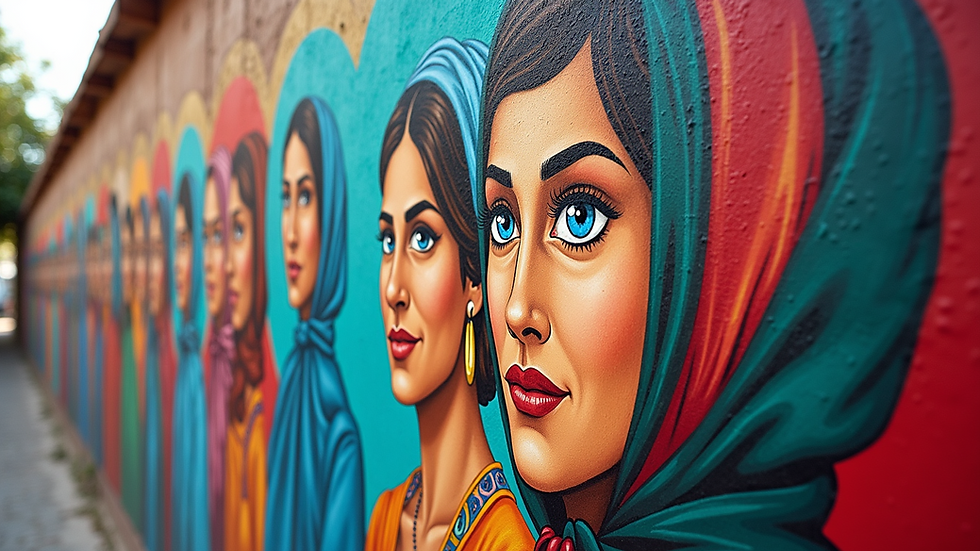
The Importance of Visual Storytelling
Visual storytelling serves as a bridge between cultures, allowing us to understand and empathize with experiences that may be vastly different from our own. It can evoke emotions, provoke thought, and inspire action. For Palestinian women, visual storytelling is not just a means of expression; it is a way to reclaim their narratives and assert their identities in a world that often seeks to silence them.
Why Focus on Palestinian Women?
Palestinian women have historically been at the forefront of social change, yet their stories are often overlooked. By focusing on their experiences, we can:
Highlight Resilience: Many Palestinian women have faced significant challenges, including displacement, violence, and discrimination. Their stories of resilience can inspire others facing similar struggles.
Promote Empowerment: Sharing these narratives empowers women by giving them a platform to voice their experiences and aspirations.
Foster Understanding: By showcasing the diverse lives of Palestinian women, we can foster greater understanding and empathy among different cultures.
The Stories of 100 Palestinian Women
In this section, we will delve into the stories of 100 Palestinian women, each representing a unique facet of Palestinian life. From artists and activists to educators and entrepreneurs, these women are shaping their communities and challenging stereotypes.
Artists and Creatives
Art has always been a powerful form of resistance and expression. Many Palestinian women use their creativity to tell their stories and advocate for change.
Hanan Abu Haya: A talented painter whose work reflects the beauty and struggles of Palestinian life. Her art has been exhibited internationally, bringing attention to the Palestinian narrative.
Nour Al-Sharif: A filmmaker who documents the lives of women in her community. Her films highlight the challenges they face and the strength they exhibit in overcoming them.
Activists and Leaders
Palestinian women have played a crucial role in activism, advocating for their rights and the rights of their communities.
Ahed Tamimi: A young activist known for her courage in standing up against oppression. Her story has inspired many young people to engage in activism.
Rania Khalek: A journalist and activist who uses her platform to raise awareness about the Palestinian struggle. Her work emphasizes the importance of representation in media.
Educators and Mentors
Education is a powerful tool for change, and many Palestinian women are dedicated to empowering the next generation.
Fatima Al-Masri: A teacher who has dedicated her life to educating girls in her community. She believes that education is the key to empowerment.
Layla Abu Zaid: A mentor for young women, Layla provides guidance and support to help them achieve their goals.
The Impact of Visual Storytelling on Palestinian Women's Narratives
Visual storytelling has the potential to transform how we perceive and understand Palestinian women. By sharing their stories through images and narratives, we can:
Challenge Stereotypes: Visual storytelling allows us to present a more nuanced view of Palestinian women, countering stereotypes that often depict them solely as victims.
Create Connections: Images can evoke empathy and understanding, fostering connections between people from different backgrounds.
Inspire Action: Powerful visuals can motivate individuals to take action, whether through advocacy, support, or education.
Examples of Successful Visual Storytelling Projects
Several projects have successfully used visual storytelling to highlight the experiences of Palestinian women:
"Women of the Wall": This project features portraits and stories of women who challenge societal norms and advocate for their rights. The images capture their strength and determination.
"Voices of Palestine": A documentary series that showcases the lives of Palestinian women, highlighting their struggles and triumphs. The series has garnered international attention and sparked important conversations.
How to Support Palestinian Women Through Visual Storytelling
Supporting Palestinian women and their stories can take many forms. Here are some ways to get involved:
Share Their Stories: Use your platform to amplify the voices of Palestinian women. Share their stories on social media, blogs, or community events.
Support Local Artists: Purchase art, literature, or crafts created by Palestinian women. This not only supports their work but also helps to promote their narratives.
Engage in Advocacy: Get involved in organizations that support Palestinian women and their rights. Your voice can help bring about change.
Conclusion
Celebrating the stories of 100 Palestinian women through visual storytelling is not just an act of recognition; it is a call to action. By sharing their experiences, we can challenge stereotypes, foster understanding, and inspire change. Let us continue to uplift and empower Palestinian women, ensuring their voices are heard and their stories are told. Together, we can create a more inclusive and compassionate world.

Comments